

What You Should Know About the Oil Warning Lights
Engines run at extremely high temperatures; they rely on oil to provide lubrication and carry the potentially damaging heat away. To be able to do this, however, you need to have enough motor oil, and it needs to be flowing at the right pressure.
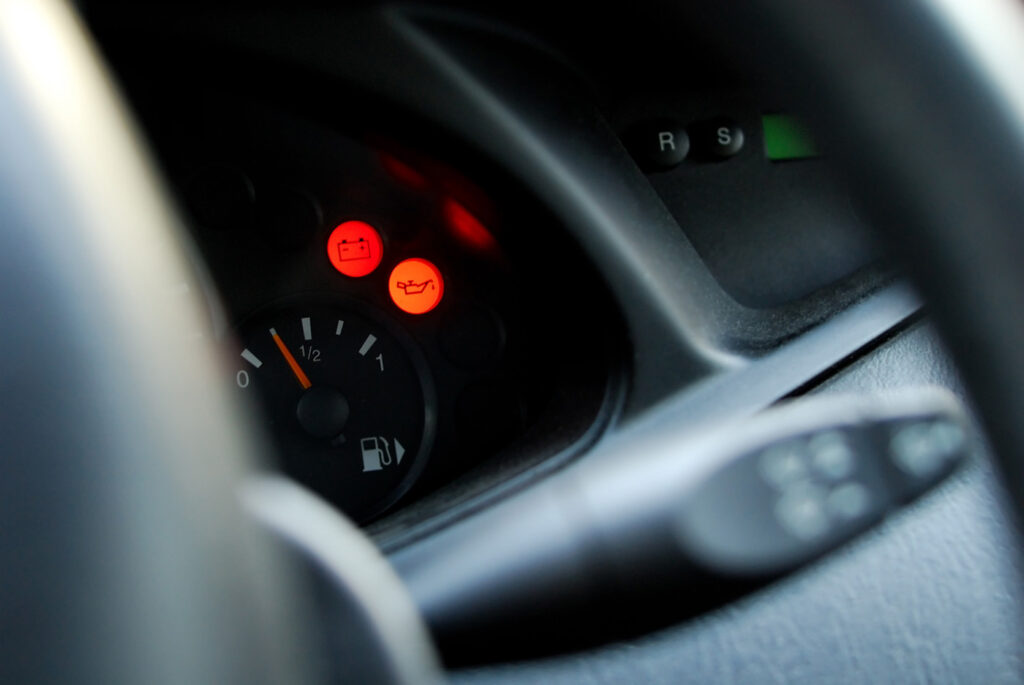
If there’s a problem detected with the oil system, it will trigger one or more warning lights to come on. If you see the low oil pressure or low oil level light on, you’ll need to schedule a repair as soon as possible—waiting too long could cause serious (and expensive) engine damage.
Why Do the Oil Warning Lights Come On?
There are several reasons why the oil warning lights come on:
The oil level is too low
If you have a leak or simply haven’t checked your oil in a while, the oil level can drop low enough that the pump will start sending air along with the oil to your car’s engine. This can cause a loss of oil pressure, which may trigger one or both of your oil warning lights.
The oil pump is damaged or faulty
When the engine is running, the oil pump circulates the oil; if the pump becomes damaged or somehow fails, it won’t be able to maintain the right oil pressure. This can cause noises from under the hood and the oil warning light to turn on.
The oil filter is clogged
The oil filter catches contaminants before they have a chance to make their way to the inside of your engine. If it’s been too long since your last oil change, the filter can get overloaded and blocked, which causes low oil pressure.
The sensor, warning light, or wiring is bad
If the sensor, warning light, or wiring is bad, it can trigger the light to come on, even if there are no problems.
The oil has turned into sludge
If you’ve put off an oil change for a long time, it can turn into sludge. This can cause the oil pan, oil filter, and the oil inside your engine to get clogged. This can also happen occasionally with cars that have poorly designed engines.
The engine is worn
If you have a high-mileage vehicle, the engine’s moving parts (like the crankshaft or camshaft) may be worn. This can allow larger openings within these parts, which in turn allows the oil to flow through them more easily and the oil pressure to go down.
Can I Drive with the Oil Light On?
While you can drive with the oil light on, it’s not recommended because you could potentially destroy your engine. If you notice either warning light on, it’s best to schedule an appointment as soon as possible. The lower your oil level is, the more stress it puts on the engine—and it could become damaged. It’s also possible to be low on oil without the warning light being triggered. That’s one reason why regular oil changes are so important!
If one or both of the oil warning lights are on, schedule an appointment at Accurate Automotive Attention. Contact us today at our Central Yuma or Foothills location.