

Should You Get Your Car Repaired – Or Buy a New One?
If your car is older and you’re facing repair bill after repair bill, you may wonder whether to repair it again or replace it. A new car would be nice, but is it necessarily the best decision? Maybe you’d be better off just doing another repair.
Since everyone’s situation is different, there’s no clear-cut answer; however, here are some of the most important considerations to help you make an informed decision.
Regular Wear and Tear
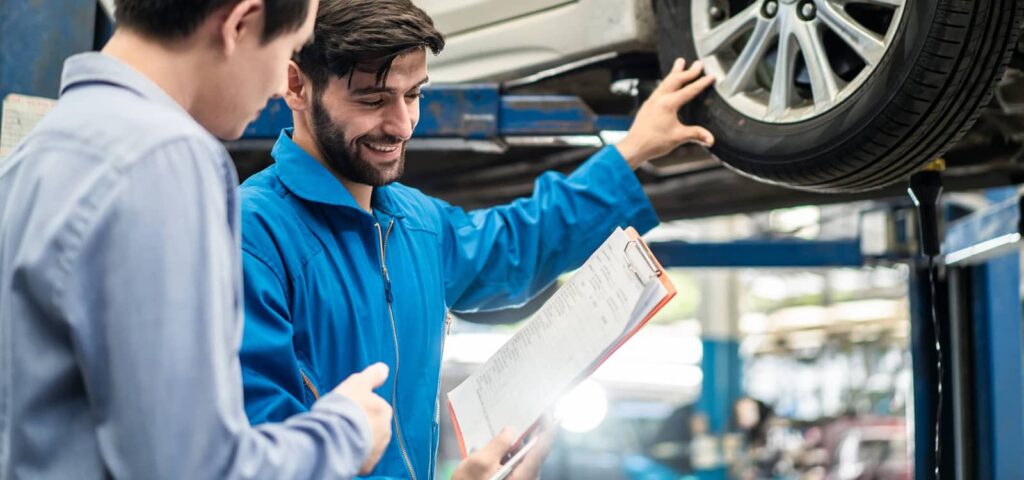
Keep in mind that no matter how well you take care of your car, chances are you’ll have some high repair bills at some point, either due to excessive wear or simply the passage of time. Vehicle components aren’t meant to last forever; rubber belts and hoses become brittle and cracked, metal on rotors can warp or become too thin, and electrical components can stop working. All items that suffer from regular wear and tear (like axle boots, brake rotors, and belts) will eventually need to be replaced. Unfortunately, it’s just part of the normal costs of owning a vehicle!
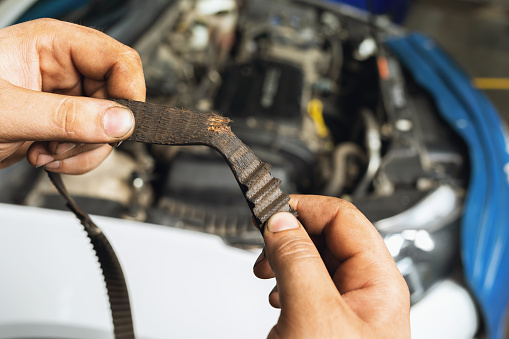
The timing belt is one high-cost replacement part for high-mileage cars, which generally needs to be replaced around 90,000-120,000 miles. Many shops will also suggest replacing the water pump and other drive belts at this time because of the location of these parts. If you’re getting the timing belt replaced, they’re very easy to access, and having them done at the same time will save you money on labor.
Weighing Your Decision – The Benefits of Repairs Vs. Purchasing a New Car
When trying to decide between repairs or a new car purchase, it’s always a good idea to weigh your decision.
Here are some of the benefits of having repairs performed on your current car:
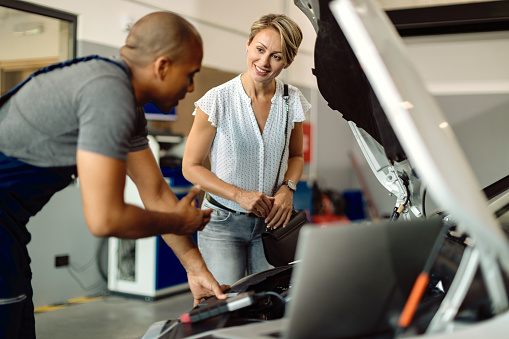
- Repairing a vehicle is almost always going to be less expensive than buying a new one. Even something as severe as a damaged engine or failed transmission will be significantly less than purchasing a new car.
- Insurance and registration fees are higher on new vehicles.
- A new car loses around 22% of its value in the first year, while your current car has already experienced depreciation.
- Repairing your vehicle may give you more time to save money for a new car in the future.
- If you have a sentimental attachment to your vehicle, repairs ensure you don’t have to say goodbye to it.
Here are some benefits of purchasing a new car:

- You won’t need to worry about breakdowns or car trouble for a while. Older cars can be unpredictable; repairing one problem doesn’t guarantee you won’t have another issue to worry about in the future. A new car may bring you needed peace of mind.
- Fewer visits to the repair shop. Although you’ll want to keep up with your factory scheduled maintenance to ensure your new car stays in pristine working condition. You’ll likely only need to visit the repair shop for routine maintenance items, like oil changes, tire rotations, etc., for many years.
- Say goodbye to all the issues that you had with your old car. Maybe you’re fed up with the way your old car rattles, or that you need to bang on the A/C to get it to start working. Most older vehicles develop some quirks over time. If you’ve had enough, a new car might be your best bet.
- New cars are generally safer. With the advent of more ADAS (Advanced Driver Assistance Systems) features like automatic emergency braking, backup cameras, and blind-spot monitoring, late model vehicles are safer than ever.
How to Calculate the Costs of Repairs Vs. a New Car
It can be depressing to keep throwing cash at a vehicle, and unfortunately, every car has a point of diminishing returns. This is one reason why routine maintenance is so important – a well-maintained vehicle can generally give you around 200,000-400,000 miles of use out of it. With proper servicing, your point of diminishing returns is going to be a lot further down the road than if you neglected it.
In many cases, the cheapest car you’ll own is the one in your driveway. Just by keeping it in good working order, you’ll spend less money than if you purchased a newer vehicle. When looking at the cost of major repairs, ask yourself, “what will this cost me over the next year?”
For example, let’s say you needed $3,000 worth of work done on your vehicle but decided to buy a used car. Even if you purchase an inexpensive one for $10,000, you’ll have to worry about the down payments and calculated monthly payments. If you’re buying a used car from a dealership in Arizona, you’ll need to pay sales tax. The vehicle licensing tax will typically increase due to the car being a higher value. If you’re financing the car, you’ll have to have full coverage. Calculate the total costs for the used car over the next 12 months, and it will likely be more than your current car.
When Is it Time to Buy a New Car?
However, there are some times when you may want to consider buying a new vehicle:
- When the repairs are becoming more frequent and difficult to keep up with.
- You’re experiencing frequent breakdowns.
- The repair quoted costs more than half the value of the vehicle.
- You’ve been considering a new car for some time, but find out that your current car needs a major repair. In this case, you may want to consider selling your vehicle (be upfront about the repair, of course) and let the next owner worry about the cost.

How to Extend the Life of Your Car
If you’re not currently facing the decision of, “to repair or not to repair,” there are some easy steps you can take to help you prevent future repair costs:
- Follow your manufacturer’s recommended maintenance schedule intervals. Keep in mind that as your car gets older, it may have more expenses associated with certain types of preventive maintenance, like timing belt replacement.
- Look around on forums or message boards for the make and model of your car. This can give you an idea of the problems most commonly associated with your vehicle as it ages.
- Get an inspection. If you’re having problems with your car and aren’t sure whether they’ll continue or get worse, talk to your service advisor about getting an inspection. We can look at all your vehicle’s systems and determine how much work needs to be done.
For more information or help deciding on repairs versus a new car, contact the experts at Accurate Automotive Attention. We’re always happy to answer any questions you have and give you our professional opinion. In addition, if you decide to purchase a used car, we offer pre-purchase inspections to ensure your money is well spent!