


Are Old Tires Safe?
You likely know the dangers of bald or under-inflated tires, but what about old tires? Do tires have an “expiration date?” Are they still safe to drive on? The answer might surprise you.
The Dangers of Old Tires
Older tires are substantially more likely to fail than newer tires. Why? Tires are mostly made from rubber. Rubber loses its elasticity over time, which causes tires to dry out, crack, and break down. Combined with conditions like heat, sunlight, and general wear and tear, tires can break down faster than one might think. Unsurprisingly, tires tend to age faster in areas that experience high heat, like Arizona.

Once tires lose their elasticity, they’re more likely to experience blowouts or tread separation—often at high speeds, which can be incredibly dangerous. Driving on old tires can also cause sidewall deformation, tread chunking, and tread blistering.
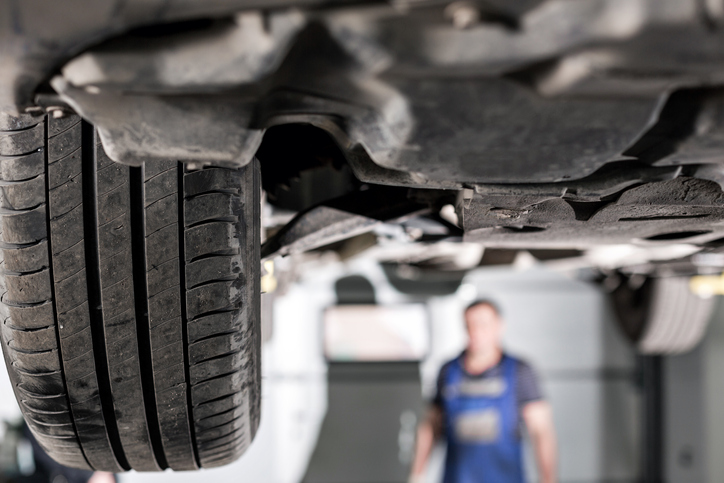
A report from the National Highway Traffic Safety Administration (NHTSA) Consumer Advisory found that hundreds of vehicle fatalities occur due to tread separation of tires that are over 5 years old. You may recall an exposé on the news about 10 years ago, where it was discovered that aged tires were being sold in the U.S., with some tires being as old as 12 years after their manufacturer’s date. These aged tires were found to be responsible for countless deaths and injuries across the nation.
Although there have been attempts at legislation for tire sales since then, the U.S. still doesn’t have any nationwide standards regarding the age of tires on the market. Some auto manufacturers have taken steps to warn consumers about aged tires by putting a warning in the owner’s manual of newer vehicles, but the coding on tires makes it difficult for consumers to decipher.
When Should Tires Be Replaced?
Although there may be some exceptions, most tires are proven to be safe for the first 5 years after they were manufactured. Many automakers, like Ford and Nissan, recommend having your tires changed 6 years after the manufacturer’s date, regardless of the condition or tire depth.
How to Tell the Age of Your Tires
How can you tell the age of your tires before you purchase them? Tires have a Tire Identification Number (TIN) printed on the side of each tire wall. This tracks the manufacturing information, including the week of the year the tire was made. These numbers blend in with the tire, so you may need to use a flashlight to read them.
Here’s how the numbers and letters break down:
- DOT: Each tire code starts with DOT, which stands for the Department of Transportation.
- Tire plant code: Next, there will be a letter and a number. This identifies the plant the tire was manufactured at.
- Tire size: The next number and letter designate the size of the tire.
- Manufacturer: The following 2-3 letters show the manufacturer code.
- Tire age: At the end of the TIN, there will be a series of 4 numbers, which shows the age of the tire. The first two numbers are the week of the year, and the second two numbers show the year the tire was manufactured.
So, if your TIN ends with 0120, this would mean that the tire was manufactured in January 2020 and is approximately two years old.
Purchase Your Tires from a Reputable Shop
Tire age is just one more reason why it’s so important to buy tires from a reputable company. Used tire distributors may purchase older tires for a cheap price, which allows them to make more of a profit. Even if a tire is supposedly “new” and has never been driven, the dangers of aged rubber make purchasing them a serious safety concern.
If you would like help determining the age or condition of your current tires, visit the experts at Accurate Automotive Attention. As an ASE-certified shop, you can rely on our technicians to give you honest advice and recommendations. Give us a call today or request an appointment online.