

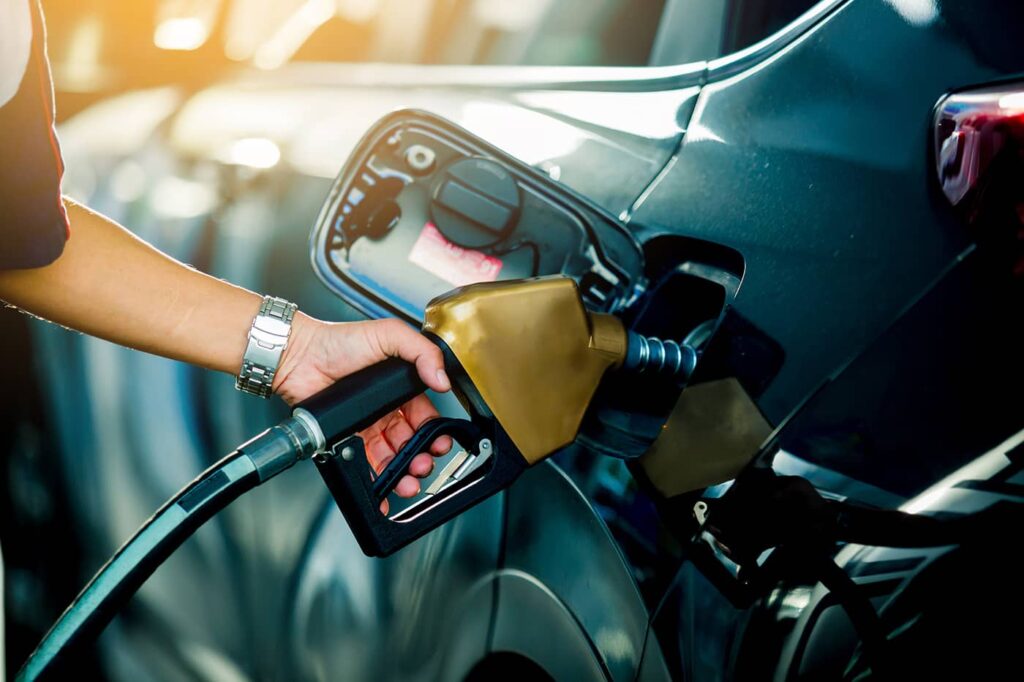
6 Common Maintenance & Repair Issues That Could Be Costing You Money at the Gas Pump
As gas prices continue to climb around the country, you might be wondering if there’s any way to improve your vehicle’s fuel efficiency. Believe it or not, keeping up with routine maintenance is one of the easiest things you can do to save money at the gas pump. As you’ll see, there are several common issues that can lower your gas mileage—and most of them are fairly simple to prevent.
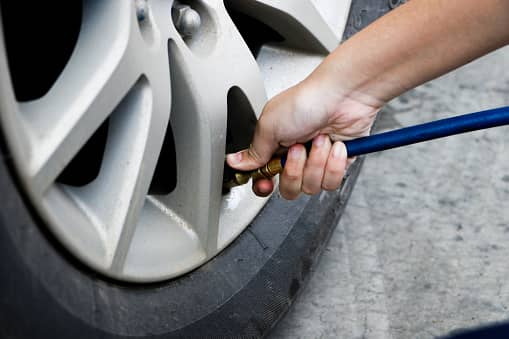
1. Low Tire Pressure
Under-inflated tires aren’t just unsafe; they can also cost you money. Several studies have found that tire pressure plays a role in fuel economy, including one conducted by the U.S. Department of Energy. The agency found that for every 1-psi drop in pressure, gas mileage lowers by 0.4%. While that may not seem like a lot, it adds up over time. Since tires can lose 1-2 psi per month through regular air loss and driving (and in the winter, you can expect to lose 1-2 psi for every 10-degree drop in temperature), it’s important to keep an eye on your tire pressure. Make a habit to check it once or twice a month and keep your tires filled to the recommended pressure.
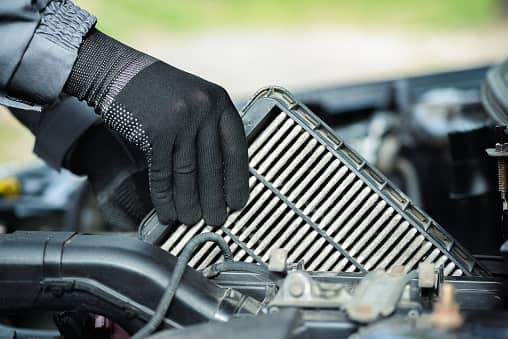
2. Dirty Engine Air Filters
Did you know your car can use more than 10,000 gallons of oxygen for every gallon of fuel burned? If the engine air filter gets too dirty, the engine has a harder time getting the fresh air it needs to run efficiently. Dirty air filters can also lead to dirty, dusty air making its way into the engine, which can cause performance issues and make the mass airflow sensors dirty. When the mass airflow sensors are dirty, the onboard computer can have difficulty calculating the correct air-to-fuel ratio in the engine—which again, can cause performance issues and reduced gas mileage. It’s estimated that simply changing out an old, dirty air filter can improve gas mileage by as much as 10%.
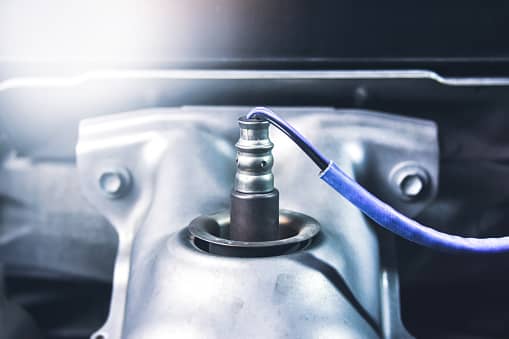
3. Faulty Oxygen Sensors
Oxygen sensors monitor the efficiency of the engine’s combustion by tracking the amount of oxygen left in the exhaust. However, faulty oxygen sensors can take a significant toll on your fuel economy—they can also cause higher emissions and damage to other components, like the catalytic converter. You may also notice stalling or slow acceleration.
4. Faulty Ignition System Components
The ignition system includes coils, spark plugs, and wires that work together to combust the air-fuel mixture in the engine. If any of these parts are malfunctioning, it can cause engine misfires—although spark plugs are the most common culprit. Misfires happen when the fuel in the engine cylinder doesn’t combust. Since your engine can’t use unburnt fuel for power, it essentially goes to waste. Changing out old spark plugs on a schedule is one of the easiest ways to keep your ignition system in good shape.

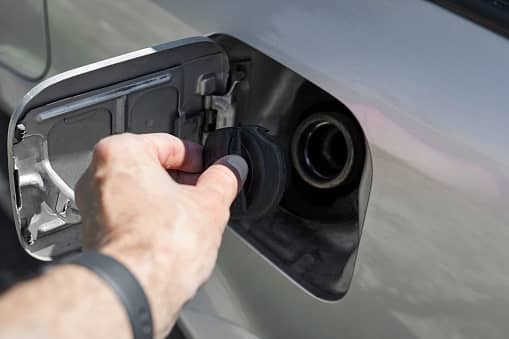
5. A Faulty or Dirty Fuel System
Faulty (or clogged) fuel injectors or dirty fuel filters can affect your gas mileage—and cause other problems, too. When the fuel system is clogged, less gas is able to make its way through the system, which in turn affects how your vehicle performs. Some of the injectors might let more gas through than others, which can cause an imbalance. The longer this goes on, the worse the problem can get as the car’s computer tries to make adjustments by using more fuel.
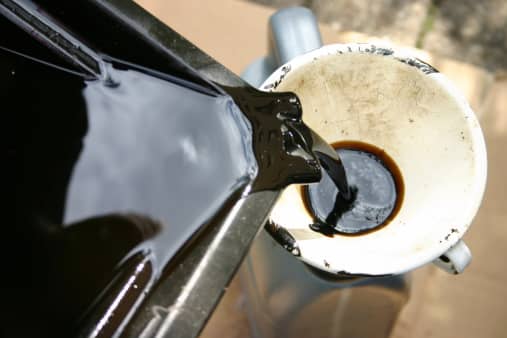
6. Old Motor Oil
Old, dirty motor oil reduces engine performance, lowers horsepower, and reduces fuel economy. Left in the engine long enough, it can also turn to sludge—which can cause permanent engine damage. Beyond regular oil changes, it’s also important to make sure that the engine has the right weight and type of oil to perform optimally.
Driving Habits Matter, Too!
In addition to the above issues, driving habits also play a role in gas mileage. If your vehicle is up to date on all its maintenance and repairs, you may want to consider the following tips:
- Aim for gentle, gradual acceleration when accelerating from a stop and steady speeds while driving
- Use cruise control on the highway
- Coast to red lights and stop signs whenever possible
- Remove any unnecessary items that could weigh down your vehicle
- Be conservative with your AC (when possible—don’t risk heatstroke for the sake of fuel economy!)
- Combine your trips and plan out the most efficient route to take
- Avoid excessive idling when your car is parked
Improve Your Gas Mileage with Maintenance and Repairs at Accurate Automotive Attention
If you’ve noticed your gas mileage has gone down without any changes to your driving habits, there’s a very good chance that your car may have an issue that needs to be addressed—especially if it’s not up to date on routine maintenance.
It may seem unnecessary to get an oil change or to change out the air filter if your vehicle has been driving well, but beyond helping your car run optimally, these maintenance items allow us to keep an eye on any issues that might be developing. In the long run, it’s much less expensive to keep your vehicle maintained than it would be to have it repaired, especially when you factor in things like poor fuel economy or additional damage to other components.
Keep your vehicle running its best and ensure you’re getting the most out of your gas mileage—schedule an appointment at Accurate Automotive Attention today by calling our shop in Central Yuma or the Foothills. Or, feel free to request an appointment online. We’re always happy to help!